
Finding consistent intermodal freight and drayage loads, especially port loads, is one of the biggest challenges for carriers and brokers working in container logistics.
Unlike standard truckload freight, intermodal loads depend heavily on port activity, rail networks, and container availability.
This guide breaks down exactly how to find more intermodal freight drayage loads, where to look, and what actually works in real-world operations.
What is Intermodal Freight and Drayage
Intermodal freight involves transporting cargo using multiple modes of transportation, typically combining rail, truck, and ship without handling the freight itself when changing modes.
Drayage refers to the short-distance transport of intermodal containers, often between ports, rail terminals, and warehouses. Owner-operators focusing on drayage play a crucial role in the supply chain, ensuring timely pickups and deliveries.
It typically involves:
- Handling first-mile and last-mile container movements
- Moving containers from ports to distribution centers
- Transporting freight between rail terminals and final destinations
Why Intermodal Freight Is Growing
Intermodal freight has become a vital component of the modern supply chain, combining rail, truck, and ocean transport to create flexible and cost-effective solutions. More shippers are turning to this method due to rising fuel costs, driver shortages, and environmental concerns. As demand rises, so does the need for reliable tools and strategies to book intermodal loads. According to the Intermodal Association of North America (IANA), North American intermodal volume grew by 3.9% in 2024, with domestic container volume increasing by 6.1% (IANA, 2024).
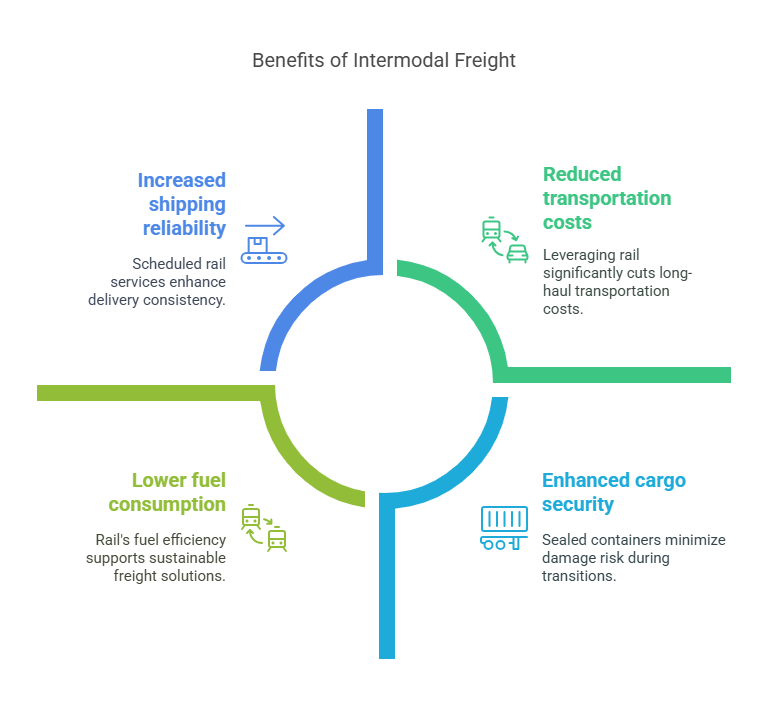
Benefits of Intermodal Freight:
- Reduced transportation costs by leveraging rail for long-haul segments. For example, moving freight by rail costs about $0.03 per ton-mile compared to $0.10 per ton-mile by truck (Association of American Railroads [AAR], n.d.).
- Lower fuel consumption, offering more sustainable freight solutions. Rail is four times more fuel-efficient than trucking (AAR, n.d.).
- Increased shipping reliability with scheduled rail services. Major rail providers like BNSF and CSX run fixed schedules that improve delivery consistency.
- Enhanced cargo security and less risk of damage. Containers remain sealed throughout multimodal transitions.
- Decreased highway congestion and road wear. Diverting freight from highways to rail reduces traffic and maintenance costs (U.S. DOT, n.d.).
- Flexibility in routing by combining different modes of transport. For example, goods imported through the Port of Savannah can move via rail to Atlanta, then by truck to final destinations.
- Capacity advantages during truck shortages or peak demand seasons. During Q4 of 2023, intermodal provided overflow capacity during tight trucking markets (FreightWaves, 2023).
“Intermodal freight is not just a trend, it’s a cornerstone of modern supply chains. By providing efficiency, sustainability, and reliability”
Looking for a more flexible way to move your freight? Explore our shipping services to find the right solution for your needs.
Where to Find Intermodal and Drayage Loads
To consistently find port loads, you need to use multiple sourcing channels.
1. Load Boards
Platforms like DAT and Truckstop list some intermodal and drayage loads, but availability is often limited compared to truckload freight.
2. Freight Brokers
Many brokers specialize in intermodal freight and have direct relationships with shippers and steamship lines.
3. Direct Shipper Relationships
Importers, exporters, and warehouses near ports often need consistent drayage services.
4. Port and Rail Yard Networks
Being active near major ports and rail hubs increases your chances of finding consistent loads.
5. Freight Forwarders and 3PLs
These companies manage container shipments and often outsource drayage to carriers and brokers.
“Most consistent port freight doesn’t hit load boards, it moves through relationships and repeat contracts.”
Are you relying too heavily on load boards instead of building direct freight relationships?
How to Get Loads from the Port
If you’re wondering how to get loads from the port, the first step is understanding how port operations and load availability work. Ports often work with freight brokers, third-party logistics (3PL) providers, and shipping lines that need reliable carriers to haul containers from the dock to warehouses or railyards.
Accessing port loads requires a strategic approach:
- Register with Port Authorities: Ensure you’re registered with the local port authority and have the necessary credentials and security clearances (AAR, n.d.).
- Utilize Intermodal Load Boards: Platforms like LoadMatch.com and DAT offer intermodal container load board platforms where you can find available port loads.
- Connect with Container Load Brokers: Establish relationships with container load brokers specializing in intermodal freight(FreightWaves, 2023). They often have exclusive contracts with shippers and can provide consistent work.
- Leverage Technology: Apps like DrayNow allow you to find and book drayage loads in real-time, offering flexibility and efficiency.
“Understanding port logistics is key. By fostering strong relationships with brokers and utilizing specialized intermodal load boards, you can ensure a continuous flow of valuable freight opportunities”
What strategies do you think are most effective in building strong relationships with container load brokers to secure a steady stream of port loads?
Intermodal Freight Load Boards vs. General Boards
While many carriers start with general boards, it’s important to understand the difference. General load boards list all types of freight, from dry van to flatbed, LTL, and full truckloads. They’re designed for broad use, and while they offer high volume, they often lack the specificity needed for intermodal hauls (U.S. DOT, n.d.).
In contrast, intermodal freight load boards are specialized platforms that focus solely on intermodal freight, freight that moves using a combination of truck, rail, and sometimes ship. These tools:
- Allow for more targeted searches (e.g., container load board listings).
- Provide better access to container loads associated with ports and rail yards.
- Help you filter by intermodal segments such as rail, port, or drayage.
- Often integrate with port systems and include compliance details needed for intermodal lanes.
Why Use an Intermodal Load Board Only?
Not all load boards are created equal, especially when it comes to intermodal shipping. An intermodal container load board specifically caters to the unique requirements of port and rail freight. Choosing an intermodal load board only, rather than a general one, helps reduce the noise and clutter of non-relevant freight. These niche platforms:
- Streamline your search for intermodal loads and container loads for owner operators.
- Help you find container loads faster and Identify port loads near you..
- Connect you directly with port load boards and brokers who specialize in drayage..
By using intermodal freight load boards, carriers save time, reduce empty miles, and improve alignment with port and rail schedules. The best intermodal load board options will also offer real-time updates, filtering tools, and integration with your fleet management system(AAR, n.d.).
“The use of intermodal freight load boards simplifies finding efficient, cost-effective loads.”
How do you think specialized intermodal load boards compare to general boards in terms of efficiency and profitability for carriers focusing on port and rail freight?
How to Get Intermodal Loads Consistently
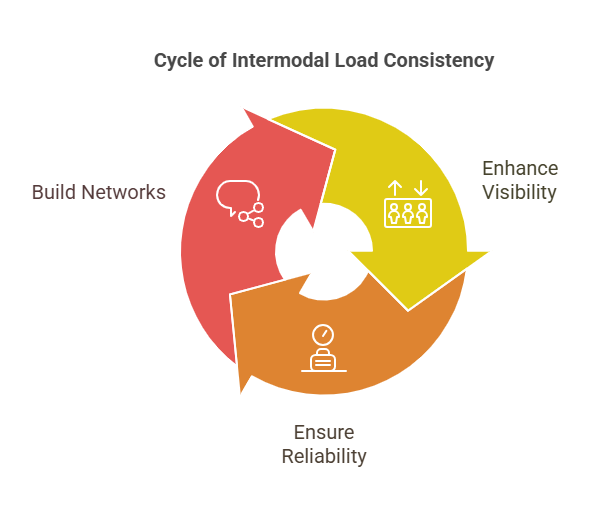
Want to know how to get intermodal loads and keep them coming? Consistency comes down to three things:
1. Visibility: Be active on intermodal load boards.
For example, regularly checking platforms like ITS Dispatch or LoadMatch can help you secure container drayage work as soon as it becomes available, especially from high-volume ports like LA/Long Beach or Savannah.
2. Reliability: Maintain timely pickups and drop-offs.Shippers and brokers prefer to work with carriers who meet appointment windows and avoid demurrage or detention charges.
For instance, if you pick up containers from the port of Houston on schedule, you’re more likely to get repeat loads from the same broker.
3. Networking: Stay in contact with brokers and dispatchers.Building ongoing relationships with container load brokers ensures you get first call when new port loads become available.
A good example is joining LinkedIn groups or local drayage associations where port dispatchers and freight brokers frequently post available work.
The container load board market is competitive, but those who show up regularly win more business.
“Consistency in securing intermodal loads is key to building a reliable, long-term business.”
Want to ensure consistent intermodal loads? Learn how SPI can streamline your payments and keep you moving.
How to Find Drayage Loads: A Targeted Strategy
Drayage loads refer to the short-haul trucking of containers from ports to local warehouses or rail terminals. Here’s how to find drayage loads effectively:
- Use a dedicated drayage load board or intermodal drayage load board(FreightWaves, 2023)..
- Build a profile on intermodal freight load boards with complete credentials and insurance information.
- Develop relationships with shipping companies and logistics coordinators at ports.
If you’re serious about growing in this space, a container drayage load board should be one of your go-to resources.
“Building a strong network and maintaining an up-to-date profile on multiple intermodal load boards is key to staying competitive in the drayage market.”
What are some key factors that contribute to successfully securing drayage loads, and how can owner-operators and fleet managers stand out in a competitive market?
Different Types of Drayage Services
Understanding the different types of drayage services can help you better align with brokers, boards, and client needs. As you learn how to get loads from the port, it’s helpful to know which type of drayage you’re dealing with:
- Pier Drayage: Transporting containers from the port to nearby rail terminals or warehouses.
- Intra-carrier Drayage: Moving goods between terminals operated by the same carrier.
- Inter-carrier Drayage: Transferring cargo between terminals operated by different carriers.
- Expedited Drayage: Time-sensitive deliveries, often booked via the best intermodal load board options.
- Door-to-Door Drayage: Full delivery service from port directly to the customer’s location.
These services are often listed on intermodal freight load boards and container load board platforms. Knowing which one applies ensures you’re targeting the right port loads or container loads for owner operators, and working more efficiently with container load brokers.

“Understanding the specific type of drayage service required for a shipment allows owner-operators to better target opportunities and meet client expectations”
Which type of drayage service do you find most valuable in your operations, and why?
How Brokers Help You Find More Intermodal Freight
Working with a freight broker can significantly increase access to drayage loads.
Brokers help by:
- Providing consistent load opportunities
- Connecting you with importers and exporters
- Managing scheduling and coordination
- Offering access to multiple ports and rail hubs
Instead of searching for loads individually, you tap into an existing freight network.
“The real advantage in intermodal isn’t just capacity, it’s access to freight networks.”
Would you rather search for loads daily or have consistent freight coming through established partnerships?
Tips to Increase Your Drayage Load Volume
If you want to grow consistently:
- Operate near major ports and rail hubs
- Build long-term relationships with brokers
- Maintain strong service reliability
- Stay flexible with scheduling
- Monitor market demand and container flow
These strategies help turn occasional loads into steady business.
Common Mistakes When Searching for Drayage Freight
Avoid these common mistakes:
- Relying only on load boards
- Not building relationships with brokers or forwarders
- Ignoring port access requirements
- Missing appointment windows
- Not understanding container flow and scheduling
“The biggest mistake isn’t lack of opportunity, it’s not positioning yourself where the freight actually moves.”
Do you think access to freight is the problem, or access to the right network?
Frequently Asked Questions (FAQs)
1. How do I find port loads for my trucking business?
To find port loads, you can use dedicated intermodal load boards, connect with container load brokers, and network with local freight forwarders at ports. These resources will help you access available container loads for owner operators and get started with intermodal shipping efficiently.
2. What is the best way to get container loads from ports?
The best method to get container loads from ports is to join intermodal freight load boards or drayage load boards. These specialized platforms offer real-time updates on available port loads and intermodal loads, allowing you to connect directly with shippers and brokers.
3. How do I use an intermodal load board only to find loads?
Intermodal load boards only list intermodal freight loads, drayage loads, and container loads, helping you narrow your search to the most relevant opportunities. By signing up and building a profile, you can access port loads and quickly connect with container load brokers for direct booking.
4. How can I get consistent intermodal loads for my fleet?
To get consistent intermodal loads, stay active on intermodal freight load boards, build relationships with container load brokers, and stay connected with port terminals. By establishing a strong presence, you can secure steady work for your fleet with intermodal container load boards.
Master the Intermodal Freight Landscape
Navigating the intermodal freight landscape requires a combination of strategic planning, leveraging the right tools, and building strong industry relationships. Working with the right freight partner gives you:
- More predictable volume
- Access to consistent port and rail freight
- Strong broker and shipper relationships
- Better load visibility
Ready to succeed in the intermodal freight industry? Contact us to connect with the right brokers and optimize your shipping strategy!
References
- Intermodal Association of North America (IANA). (2024). 2024 Intermodal Market Trends & Statistics. Retrieved from https://www.intermodal.org
- Association of American Railroads (AAR). (n.d.). Railroads and the Environment. Retrieved from https://www.aar.org
- U.S. Department of Transportation (DOT). (n.d.). Highway Freight Conditions and Performance Report. Retrieved from https://www.transportation.gov
- FreightWaves. (2023). Intermodal Shippers Turn to Rail During Capacity Crunch. Retrieved from https://www.freightwaves.com