If you’ve ever looked at two freight quotes and wondered why one is cheaper but slower while the other costs more yet still somehow gets delayed… welcome to modern shipping.
For shippers, choosing between intermodal and truckload freight isn’t just a transportation decision anymore. It impacts inventory planning, customer expectations, operating costs, and overall supply chain stability.
And with ongoing port congestion, rail slowdowns, and unpredictable capacity shifts, understanding the difference between the two matters more than ever.
This guide breaks down:
- The real difference between intermodal and truckload shipping
- What causes delays in intermodal freight
- How port congestion affects planning
- When each option actually makes sense
Without making you feel like you accidentally opened a logistics textbook from 2007.
What Is Intermodal Shipping?
Intermodal shipping moves freight using multiple transportation methods, most commonly truck and rail.
In a typical setup, a container is picked up by truck, moved to a rail terminal, transported long-distance by train, and then delivered by truck again at the destination.
The biggest reason companies choose intermodal is cost efficiency. Rail transportation can significantly reduce transportation expenses on long-haul freight, especially when delivery timelines are flexible.
According to insights from DAT Freight & Analytics, intermodal tends to become more cost-effective as shipment distance increases because rail networks are designed for high-volume freight movement.
That said, intermodal isn’t perfect. More transfer points mean more opportunities for delays, scheduling conflicts, and coordination issues.
“Intermodal works best when planning and consistency matter more than urgency.”
Would your operation benefit more from lower transportation costs or faster transit times?
What Makes Truckload Shipping Different?
Truckload shipping is much more direct. Freight stays on one trailer and moves from pickup to delivery without switching between transportation modes.
That simplicity is what makes truckload attractive for:
- Time-sensitive freight
- High-value shipments
- Fragile goods
- Shorter transit windows
Because truckload avoids rail terminals and transfer points, transit times are generally faster and easier to predict.
Industry reporting from FreightWaves frequently highlights truckload’s flexibility during supply chain disruptions since carriers can reroute more easily than rail systems.
Of course, that flexibility usually comes at a higher cost, especially during tight capacity markets when truckload rates surge quickly.
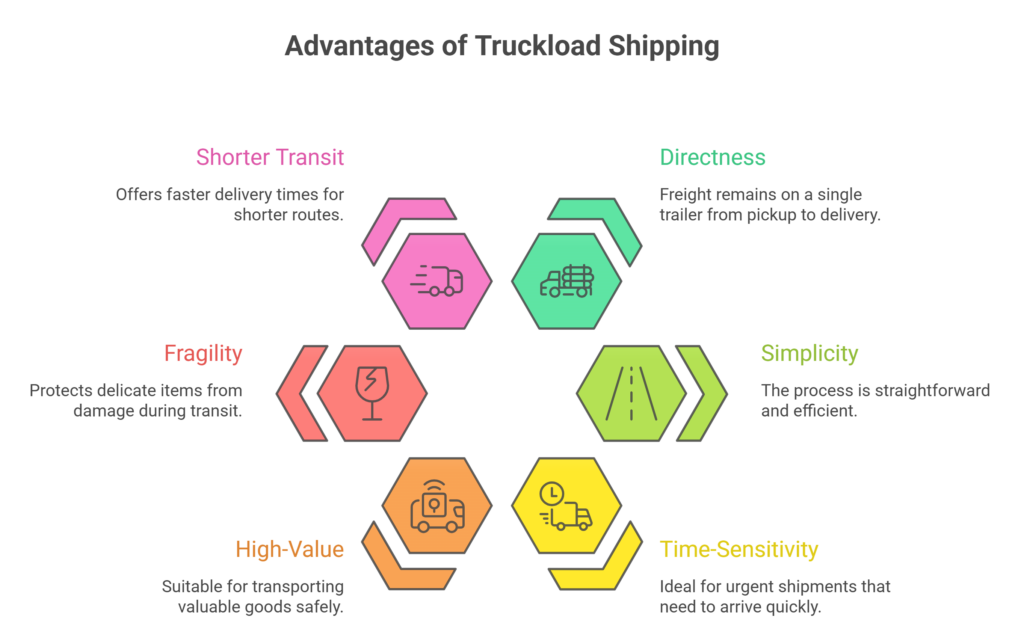
“Truckload gives shippers more speed and flexibility, but usually at a premium.”
How much is delivery predictability worth to your operation when customer expectations are on the line?
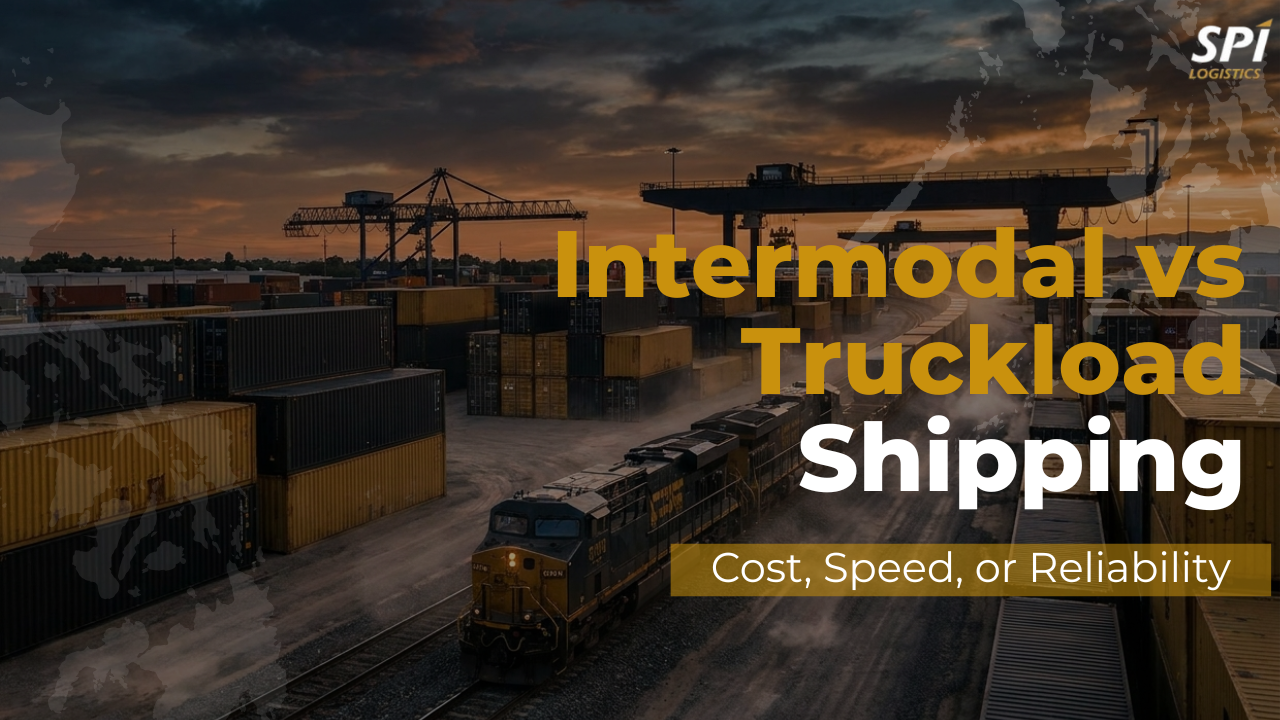
Intermodal vs Truckload: The Real Decision
The real debate isn’t about which shipping mode is better overall. It’s about which one fits the shipment better.
Intermodal is often the stronger choice for long-distance freight where cost savings matter more than speed. Truckload tends to make more sense when delivery windows are tighter or when flexibility is critical.
A retailer replenishing inventory weeks in advance may benefit heavily from intermodal savings. Meanwhile, a manufacturer waiting on urgent materials probably cares more about speed and consistency than shaving a few hundred dollars off transportation costs.
Here’s where they differ most:
| Factor | Intermodal | Truckload |
| Cost | Lower on long hauls | Higher |
| Speed | Slower | Faster |
| Flexibility | Limited by rail schedules | Highly flexible |
| Fuel Efficiency | Better | Lower |
| Capacity Stability | Strong during truck shortages | More volatile |
| Handling Points | Multiple | Minimal |
And honestly, most large shippers don’t commit to just one mode. They use both strategically depending on the lane, urgency, and market conditions.
“The smartest shipping strategies aren’t built around one mode, they’re built around flexibility.”
Do you currently choose freight modes based more on cost, speed, or operational risk?
Why Port Congestion Creates Bigger Problems Than Most Shippers Expect
Port congestion doesn’t just slow containers down. It creates ripple effects across the entire supply chain.
When ports become backed up:
- Containers wait longer for pickup
- Rail schedules become harder to maintain
- Chassis availability tightens
- Drayage operations become less predictable
Organizations like the Port of Los Angeles regularly report congestion patterns showing how vessel bunching and terminal overflow can impact inland freight movement for days or even weeks.
The frustrating part is that many delays happen before freight even begins moving inland.
This is where costs start stacking up through:
- Storage fees
- Demurrage charges
- Missed delivery appointments
- Inventory disruptions
And yes, sometimes containers seem to spend more time waiting at terminals than actually traveling.
“Port congestion affects much more than ports, it disrupts timing across the entire supply chain.”
How much flexibility does your operation realistically have when ports start slowing down?
What Actually Causes Intermodal Freight Delays?
Most intermodal delays aren’t caused by trains moving slowly. They happen at the handoff points.
According to analysis from Journal of Commerce, many disruptions occur during transitions between drayage, terminals, rail scheduling, and final-mile coordination.
Common delay causes include:
- Rail congestion that slows container movement between terminals and creates scheduling bottlenecks across major freight corridors
- Chassis shortages that leave containers sitting longer at ports or rail yards while equipment becomes available
- Weather disruptions such as storms, flooding, or extreme temperatures that interrupt rail operations and terminal activity
- Port backlogs caused by vessel surges, labor constraints, or overloaded terminals that delay container processing
- Missed cutoff times that force shipments to wait for the next available train or terminal appointment window
- Drayage scheduling issues that create delays when trucks, drivers, or appointment slots are not properly coordinated
Because intermodal relies on multiple systems working together, even a small disruption can affect the entire shipment timeline.
Truckload freight has fewer transfer points, which is one reason it’s generally more predictable.
“Intermodal delays usually happen during coordination, not during movement itself.”
Want fewer freight delays and better shipment visibility across every stage of transit? Explore shipping solutions designed to keep freight moving efficiently
When Shippers Should Choose Intermodal
Intermodal is usually the better option when:
- Freight is moving long distances
- Delivery timelines are flexible
- Reducing transportation cost is a priority
- Sustainability goals matter
It’s especially effective for:
- Retail replenishment
- Consumer packaged goods
- High-volume freight
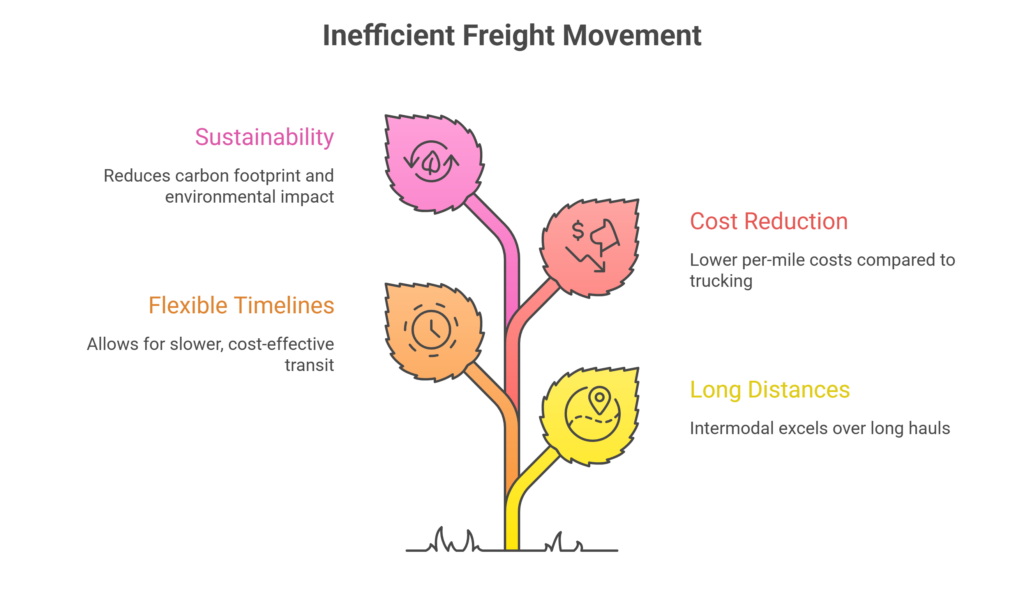
Many large shippers use intermodal strategically, not for every shipment, but for lanes where consistency matters more than speed.
“Intermodal is strongest when freight planning is proactive rather than reactive.”
Would your freight benefit more from lower cost consistency or maximum speed?
When Truckload Makes More Sense
Truckload is typically the better choice when:
- Delivery windows are tight
- Freight is high-value or fragile
- Routes require flexibility
- Speed is critical
Truckload also performs better during:
- Sudden demand spikes
- Time-sensitive projects
- Last-minute routing changes
Unlike rail schedules, truckload networks can adapt faster to operational changes.
“Truckload shines when flexibility and responsiveness matter more than efficiency.”
Would a shipping delay cost your business more than a higher transportation rate?
Smarter Drayage Planning Starts Before Freight Arrives
One of the biggest mistakes shippers make is treating drayage like a last-minute step instead of part of the overall strategy.
Strong drayage planning involves:
- Scheduling appointments early
- Monitoring terminal congestion
- Securing chassis access ahead of time
- Building realistic buffer time into schedules
The companies that handle intermodal freight best are usually the ones planning several moves ahead, not reacting after containers are already delayed.
Because once port congestion starts affecting drayage schedules, recovery becomes much harder.
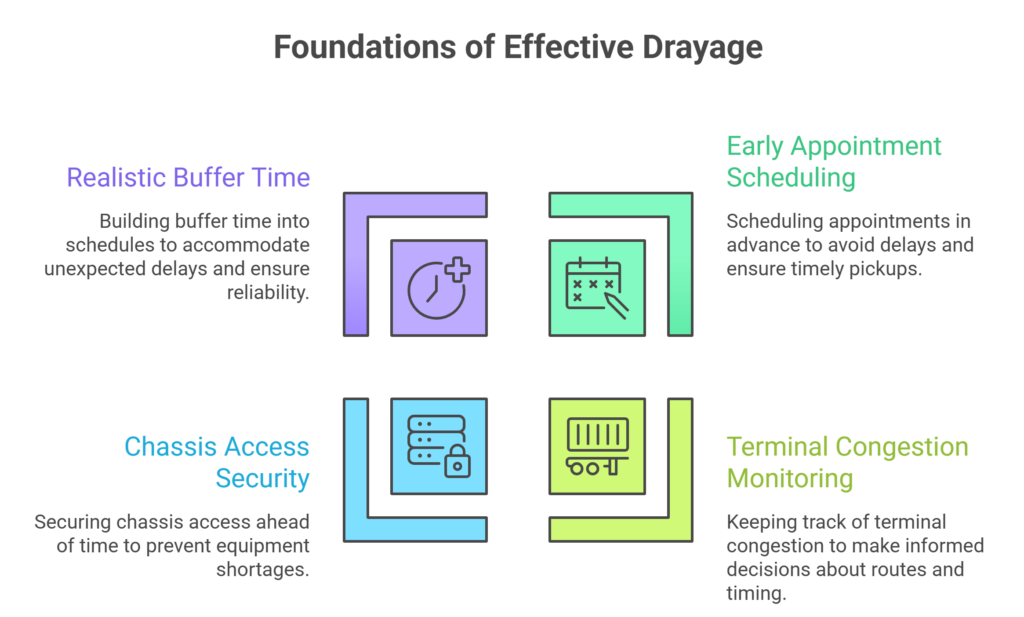
“Good intermodal operations are built on coordination long before containers reach the rail.”
Looking for a smarter way to manage drayage, coordination, and freight planning? See how better brokerage support can improve supply chain efficiency
Frequently Asked Questions
1. Is intermodal shipping cheaper than truckload?
In many cases, yes, especially for long-distance freight where rail transportation lowers overall transportation costs.
2. Why is truckload usually faster?
Truckload freight moves directly from pickup to delivery without transferring between rail terminals or transportation modes.
3. What causes the biggest intermodal freight delays?
Port congestion, rail scheduling issues, chassis shortages, and coordination breakdowns are some of the most common causes.
Choose the Right Shipping Strategy for the Right Situation
Intermodal and truckload shipping both offer advantages, and both come with tradeoffs.
The best solution depends on your delivery timeline, freight type, cost sensitivity, and the level of operational flexibility your supply chain requires.
The most effective shippers don’t lock themselves into a single strategy. They understand when to prioritize savings, when speed matters most, and when shifting market conditions require a completely different approach altogether.
Ready to optimize your shipping strategy and choose the right mode for every load? Contact us to learn how we can help you build a smarter, more flexible freight operation.
References
Federal Motor Carrier Safety Administration. (n.d.). Freight transportation regulations and operational guidance. Retrieved from https://www.fmcsa.dot.gov
DAT Freight & Analytics. (n.d.). Freight market trends and intermodal pricing insights. Retrieved from https://www.dat.com
FreightWaves. (n.d.). Truckload, intermodal, and supply chain market analysis. Retrieved from https://www.freightwaves.com
Port of Los Angeles. (n.d.). Port congestion updates and container operations data. Retrieved from https://www.portoflosangeles.org